FLEX Psychology: Serving the General Toronto Area
  • About
  • The FLEX Team
    • Join The FLEX Team
  • Think FLEXibly Blog
  • Services
    • Psychotherapy
    • Exploring Psychotherapy
    • Online Psychotherapy
    • Assessment
    • Giftedness
    • Learning Therapy
    • Groups & Workshops
    • Webinars & Training
    • Resources >
      • Client Resources
      • Professional Resources
      • Frequent Questions
  • Locations
  • Contact

The Think FLEXibly Blog

Some ideas anyone can benefit from. Our blog is intended to provide current and future clients some ideas and resources that we think are great.

Contact FLEX

10 Simple Self-Care Practices for a Healthy Mind

7/12/2023

 
Picture
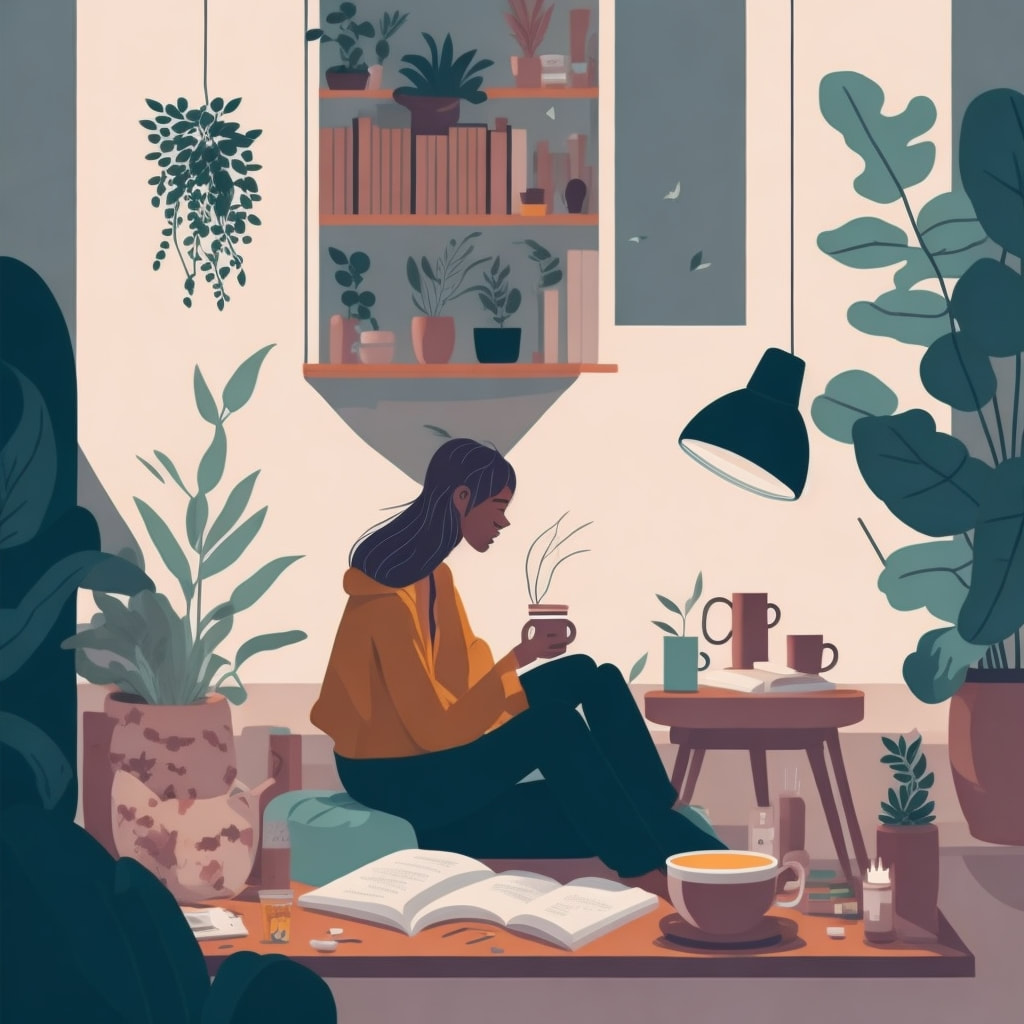
In our fast-paced, always-on society, it can be easy to neglect self-care. However, taking time to care for oneself is vital for both physical health and mental well-being. Here are 10 simple practices you can incorporate into your routine.

1. Prioritize Sleep: Lack of sleep affects your mood, energy levels, and ability to handle stress. Aim for 7-9 hours of sleep per night.

2. Eat Nutritiously: What we eat affects our physical health, but it also impacts our mental health. Aim for a balanced diet full of fruits, vegetables, lean proteins, and whole grains.

3. Stay Hydrated: Dehydration can lead to feelings of lethargy, irritability, and difficulty concentrating. Aim to drink at least eight glasses of water each day.

4. Exercise Regularly: Regular physical activity boosts your mood, reduces stress, and improves sleep. Aim for at least 30 minutes of moderate exercise most days of the week.

5. Practice Mindfulness: Mindfulness, or being fully present in the moment, helps reduce stress and increases self-awareness. Incorporate mindfulness into your day, whether through meditation, yoga, or simply taking a mindful walk.

6. Connect with Others: Relationships and social connections are vital to our mental health. Make time to connect with friends, family, or even a support group.

7. Limit Screen Time: Excessive screen time can lead to feelings of anxiety and depression. Try to set boundaries for your screen time, especially close to bedtime.

8. Spend Time in Nature: Spending time in nature has been linked to decreased stress and increased well-being. Try to incorporate outdoor activities into your routine.

9. Make Time for Relaxation: Whether it's reading a book, taking a bath, or practicing yoga, it's essential to make time for activities that help you relax and unwind.

10. Seek Professional Help: If feelings of stress, anxiety, or depression persist, it may be time to seek help from a mental health professional.

Self-care is an important part of maintaining a healthy mind. At FLEX Psychology, our therapists are here to help you develop and maintain healthy self-care habits that work for you.


Comments are closed.

    Disclaimer

    The information provided on the Think FLEXibly Blog is intended for informational purposes only and should not be considered as therapeutic advice.

    While we strive to provide accurate and up-to-date information, it is important to note that every individual's mental health needs are unique.

    The blog's content is not a substitute for professional mental health treatment or guidance. Always consult with a qualified mental health professional for personalized advice tailored to your specific circumstances. We disclaim any liability for actions taken based on the information provided on this blog.

    FLEX maintains the right to use a variety of content creation tools to assist in developing content for this blog and website. Any material not authored directly by FLEX team members has been reviewed, approved, and, where appropriate, modified, by a member of the FLEX administration team.

    ​FLEX Psychology uses a combination of original, AI generated, licensed images, and images used through non-revocable creative commons license. We restrict use to Creative Commons licenses that allow sharing, modification, and commercial use under the terms of Attribution (providing appropriate credit), this license, and notification of any changes made.

    Images are reviewed annually to determine if sources have been removed. While the agreed upon license provided irrevocable rights to use, we chose to remove these photos to avoid any possible misattribution and confusion regarding the nature of the initial license agreement.

    You can learn more about Creative Common licenses by CLICKING HERE.

    RSS Feed

The information and resources found on FLEX Psychology and its sister sites are provided for educational purposes only. The details contained on this site are not intended to be taken as therapeutic advice, nor have they been focused towards your individual needs. Use of these resources or documentation are intended for self-help purposes only and are not reflective of a therapeutic relationship with the clinical team at FLEX Psychology. Any purchases or e-commerce solutions that are offered are not likely covered by your extended health coverage for psychological services. Individualized supports may be covered by such plans. All material are provided under the Creative Common's license unless otherwise specified. Material that has been gathered from other resources is always identified and are only replicated (beyond sourcing) with permission. CLICK HERE to view FLEX Psychology's Social Media Policy
Photos from CollegeDegrees360, Wonderlane, SuperFantastic
  • About
  • The FLEX Team
    • Join The FLEX Team
  • Think FLEXibly Blog
  • Services
    • Psychotherapy
    • Exploring Psychotherapy
    • Online Psychotherapy
    • Assessment
    • Giftedness
    • Learning Therapy
    • Groups & Workshops
    • Webinars & Training
    • Resources >
      • Client Resources
      • Professional Resources
      • Frequent Questions
  • Locations
  • Contact